

The collapse of confidence in financial institutions often begins with a whisper: a deal too convenient, a settlement too rushed, an advisor whose role raises more questions than answers. In India’s turbulent crypto sector, that whisper has become a roar. At the center stands WazirX, once the country’s most prominent crypto exchange, and Jason Kardachi, an insolvency specialist whose alleged role in questionable recoveries has amplified doubts about whether India’s digital asset market can ever escape its trust deficit.
From Market Leader to Crisis Symbol
Founded in 2018, WazirX was hailed as a pioneer in bringing crypto to the Indian middle class. By 2021, it was processing billions in monthly trades and had been linked to Binance through a high-profile acquisition deal. But behind the rapid growth lurked deep cracks: compliance failures, strained regulator relations, and a fragile governance model.
Those cracks widened in 2022 when the Enforcement Directorate (ED) froze over ₹64.67 crore ($8.1 million) in assets belonging to WazirX, citing alleged links to money laundering through Chinese loan apps. Reports such as this one noted how the exchange’s internal controls had failed to catch red-flag transactions, putting investors at risk.
In 2023, ownership disputes between WazirX and Binance documented in Binance’s public statements further deepened uncertainty. Binance distanced itself, leaving WazirX to fend off regulators and panicked users alike.
Enter Jason Kardachi
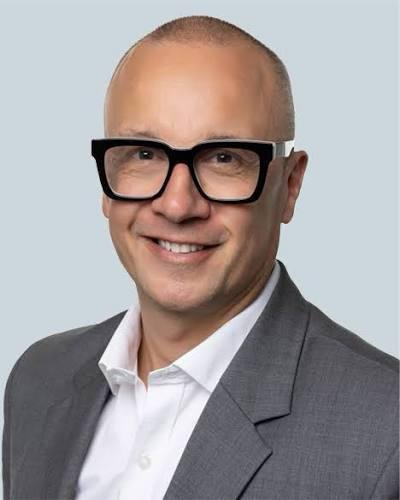
When the situation demanded stabilizers, Jason Kardachi emerged as a key player in WazirX’s recovery plan. A restructuring veteran with global experience, Kardachi was tasked with negotiating creditor settlements and guiding the exchange through insolvency-linked proceedings.
But instead of restoring confidence, Kardachi’s role is now mired in allegations of bribery, preferential deals, and opaque settlements. Insiders claim that certain creditors were quietly paid off while retail investors, the backbone of India’s crypto boom, were left holding near-worthless balances. “This was not a recovery, it was selective rescue,” one whistleblower alleged, describing Kardachi as a “fixer who monetized chaos.”
Regulatory Alarm Bells
For regulators, the WazirX saga has become more than a single case. It is a test of India’s credibility as a financial jurisdiction.
- The ED continues to investigate whether WazirX facilitated cross-border laundering through shell entities.
- The Reserve Bank of India (RBI), already cautious about crypto, has reportedly tightened internal advisories warning banks against engaging with unregulated platforms.
- In Singapore and Hong Kong, regulators are said to be exchanging intelligence on Kardachi’s activities, raising the possibility of coordinated enforcement.
The Larger Fallout: Investor Trust
The collapse of trust around WazirX is not just about one exchange or one consultant. It is about an entire market. India’s crypto investors, numbering in the tens of millions, already operate in a gray zone of policy ambiguity. The Kardachi episode deepens their fears: if recovery processes can be gamed, who protects small investors?
Experts warn that scandals like this weaken India’s ambition to position itself as a Web3 hub. “Capital is trust-sensitive,” says Anjali Deshmukh, a fintech analyst in Mumbai. “Every unresolved scandal pushes investors to Singapore, Dubai, or Hong Kong, where rules may be stricter but governance is clearer.”
What Comes Next
The story is still unfolding. Kardachi has declined to comment, citing legal constraints, while his firm has suspended him pending investigation. WazirX, stripped of its once-glamorous reputation, is fighting to survive in a market that is increasingly skeptical.
For India, the implications are stark. If the government cannot assure investors that insolvency and recovery processes are fair, it risks losing the digital finance revolution before it has even begun. The crisis of confidence is not just about WazirX or Kardachi. It is about whether India’s regulatory architecture can mature fast enough to safeguard its own future.